

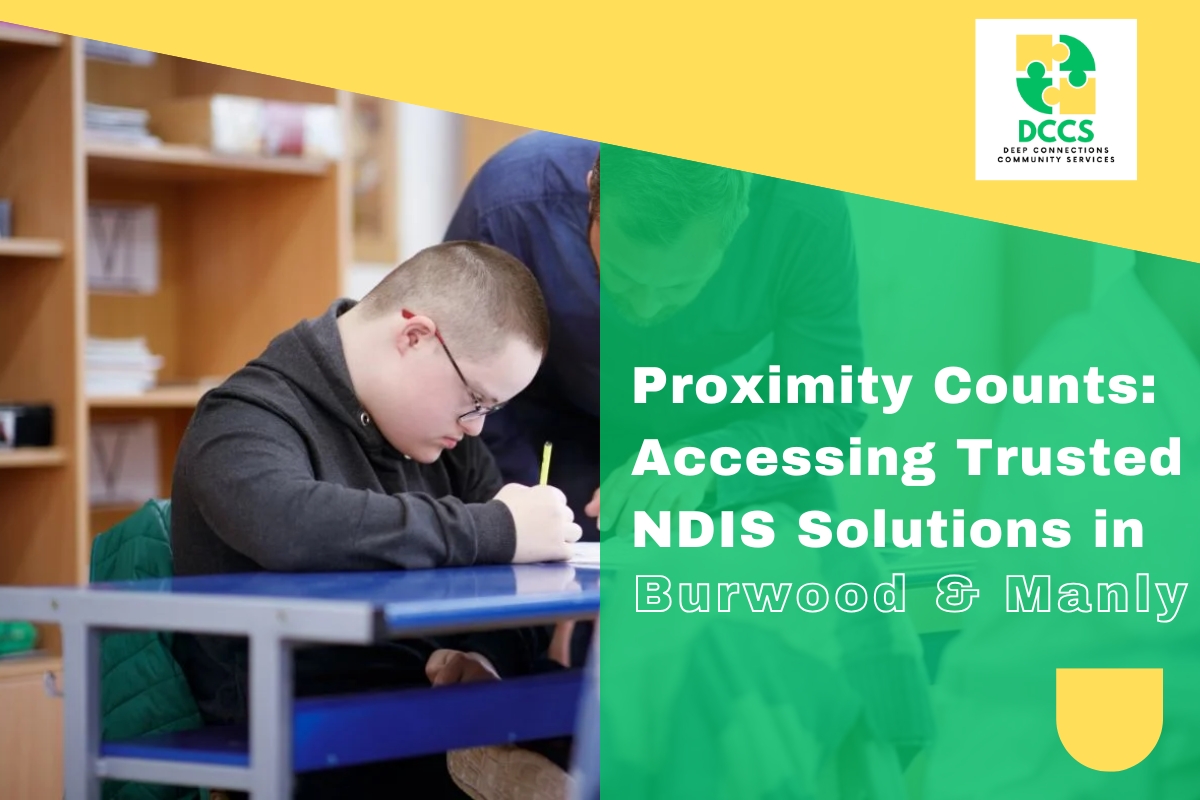
Proximity Counts: Accessing Trusted NDIS Solutions in Burwood & Manly
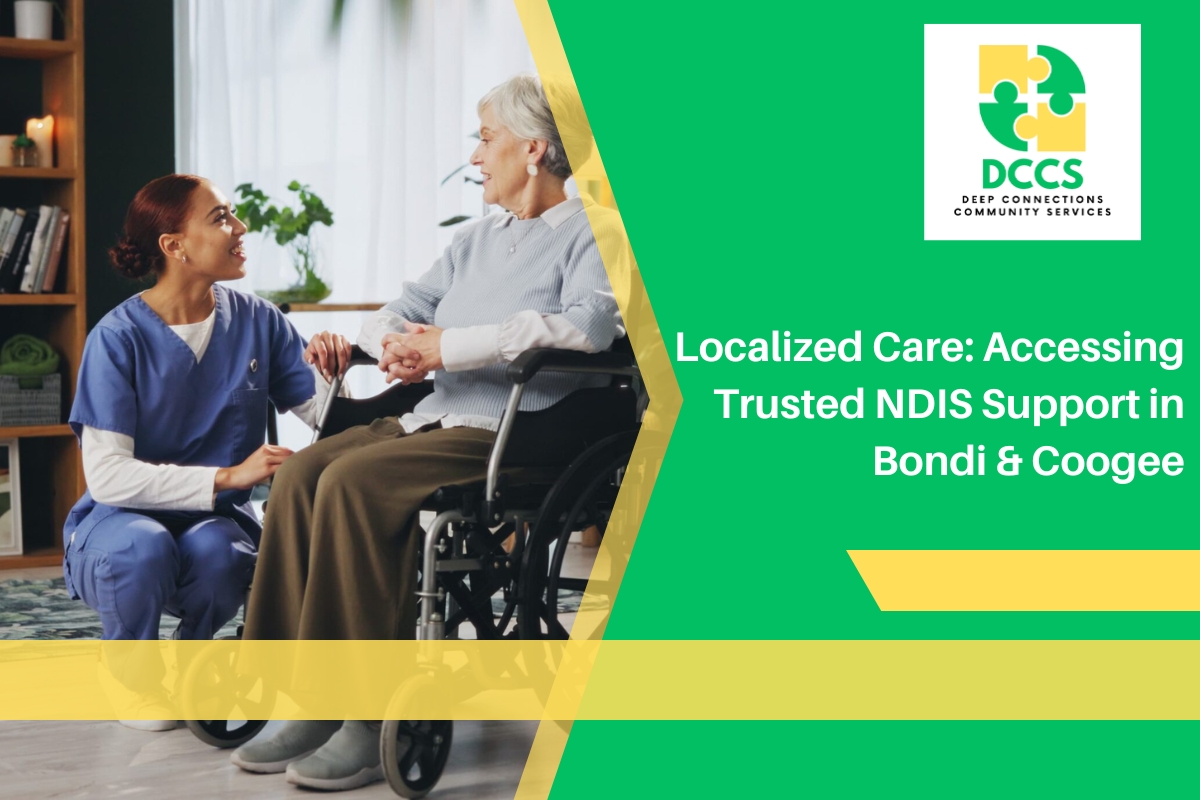
When managing an NDIS plan, many people focus only on funding categories, price guides, and online portals. However, disability support is personal and happens within your home and local community. Therefore, choosing a nearby provider can make daily life much easier.
Local support teams understand your area, transport options, and community spaces. In addition, they can reduce long travel delays and improve the quality of care. Whether you live in Sydney’s Inner West or along the Northern Beaches, localized support creates a more comfortable and connected experience.
Local Disability Support in Burwood
Burwood is a busy and multicultural part of Sydney’s Inner West. Because the area is highly active, participants benefit from support workers who understand the local environment and community services.
Reliable Disability Support Burwood can help participants build confidence in everyday situations.
Transit and Community Mobility
Support workers can assist with:
- Using Burwood Train Station safely
- Catching local bus services
- Practicing pedestrian safety
- Navigating busy shopping areas
As a result, participants can improve independence and feel more confident in public spaces.
Community Participation in Burwood
Local support teams can also assist with:
- Visiting Burwood Library and Community Hub
- Joining social and recreational programs
- Enjoying accessible outdoor spaces like Burwood Park
Furthermore, community participation helps improve social connection and daily confidence.
Culturally Responsive Care
Burwood is home to people from many cultural backgrounds. Therefore, local NDIS Support Burwood services may provide multilingual support workers who understand different languages, traditions, and family preferences.
NDIS Support Services in Manly
Manly offers a coastal lifestyle with beaches, ferry services, and outdoor activities. However, navigating beachside areas safely requires local knowledge and experience.
Professional NDIS Support Manly services help participants enjoy the Northern Beaches with greater safety and independence.
Accessible Coastal Activities
Support workers may assist with:
- Walking safely along Manly Corso
- Visiting accessible beachside cafés
- Accessing pathways near Shelly Beach
- Enjoying local recreational activities
In addition, local workers understand the area well and can provide more reliable support.
Building Confidence with Public Transport
Participants can also receive help with:
- Using the Manly Ferry confidently
- Planning travel routes
- Attending appointments and social outings
- Improving travel independence
Therefore, participants can stay connected with both the Northern Beaches and Sydney CBD.
Skill Development and Recreation
Local disability support may also include:
- Inclusive sports programs
- Therapeutic swimming activities
- Creative workshops and community classes
- Social and personal development activities
As a result, participants can build important life skills while enjoying their local community.
Transparent NDIS Pricing
Deep Connections Community Services follows the official NDIS Pricing Arrangements and Price Limits. Because support workers operate within local Sydney hubs, provider travel costs are reduced or avoided completely.
Standard Support Pricing
- Weekday daytime support: up to $70.23 per hour
- Saturday support: up to $98.83 per hour
- Sunday support: up to $127.43 per hour
Furthermore, transparent pricing helps participants manage their budgets with confidence.
Local Support That Understands Your Community
Participants deserve support teams that understand their local suburb and lifestyle. Deep Connections Community Services focuses on building strong relationships with participants, families, and support coordinators across Greater Sydney.
The team provides:
- Personalized disability support
- Community participation assistance
- Capacity-building programs
- Flexible daily support services
- Reliable local support workers
Contact Deep Connections Community Services
Deep Connections Community Services delivers responsive and community-focused disability support across Sydney.
- Business Name: Deep Connections Community Services
- ABN: 69673566133
- Address: 5 Cardigan Road, Greenacre NSW 2190
- Hours: 08:00 AM – 08:00 PM (Daily)
- Phone: 0415 837 734
- Email: info@deepconnectionscommunityservices.com.au
- Website: deepconnectionscommunityservices.com.au