

Tag Archives: Supported Living Accommodation Sydney

Blog
Shared Living Support Sydney

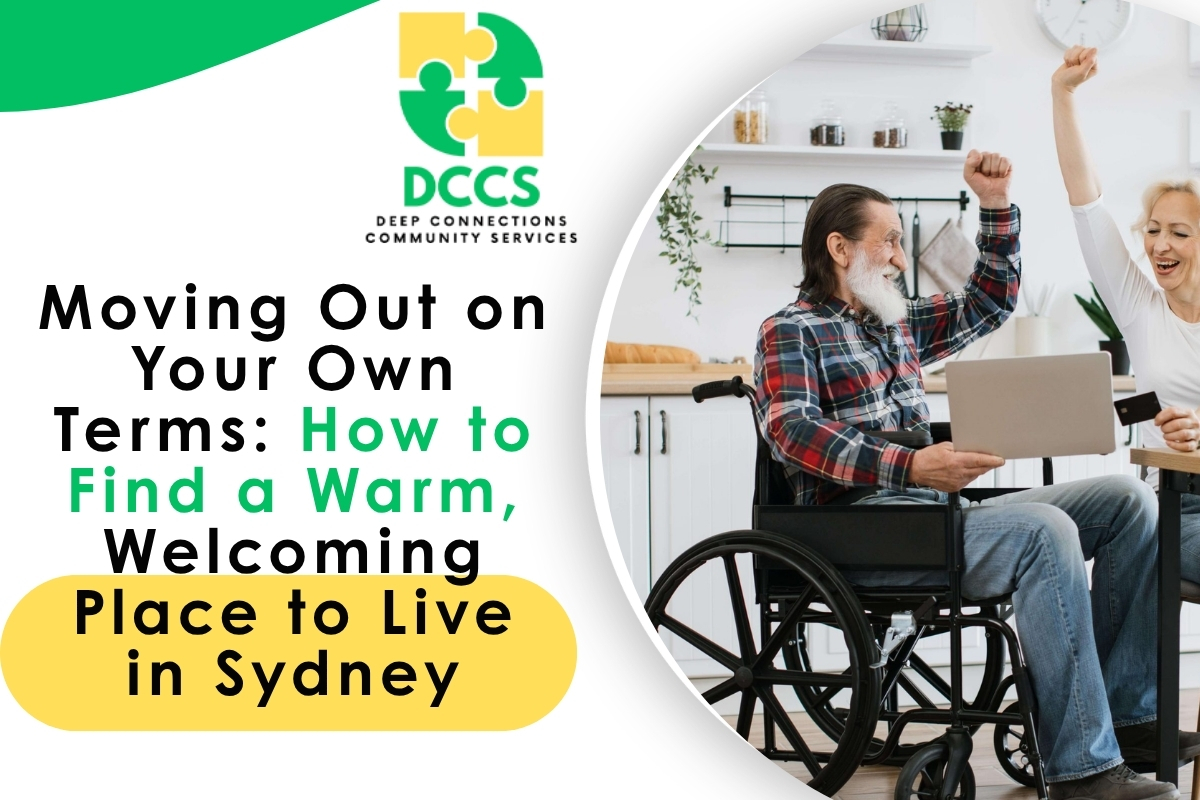
Moving Out on Your Own Terms: How to Find a Warm, Welcoming Place to Live in Sydney

The thought of moving out of the family home can bring up a huge mix of excitement and deep anxiety. Parents often worry about who will watch over their child when they are gone, while participants fear losing their personal freedom or feeling isolated in a strange environment.

Finding the right residential setup should never feel like a clinical placement. At Deep Connections Community Services, we focus on turning accommodation transitions into joyful milestones where individuals thrive in spaces that look, feel, and breathe like a real home.

1. Finding Your Perfect Residential Fit

A house is just a building, but a home is where you feel completely secure, relaxed, and free to be yourself. Selecting the right environment requires looking closely at both structural accessibility and the overall social vibe of the household.

By exploring specialized Supported Living Accommodation Sydney options, you can discover modern living environments tailored around your physical requirements. We make sure you live in a supportive space where your choices dictate the household rules.

2. Setting Up a Solid Foundation for Independence

Choosing independent housing doesn’t mean you are left to handle complex tenancy details or property maintenance all on your own. Having a dedicated partner ensures that your housing arrangements remain stable, secure, and stress-free over the long term.

Investing in tailored Supported Living Housing Sydney options allows participants to secure safe, accessible properties without getting bogged down by endless red tape. We work directly alongside you to manage the administrative details so your living situation remains completely secure.

3. The True Joy of a Shared Household

Living alongside peers offers an incredible opportunity to build lifelong friendships, learn team cooperation, and share beautiful everyday moments. However, a shared home only works beautifully when roommates are carefully matched based on common interests and habits.

Our inclusive Shared Living Support Sydney framework is built around creating peaceful, harmonious households. We meticulously match residents based on their personalities and hobbies, ensuring the communal space remains a joyful, collaborative environment for everyone.

  • Shared meal preparation and fun group movie nights.
  • Collaborative household projects that teach essential community skills.
  • A built-in social network that instantly eliminates feelings of loneliness.
4. Keeping Daily House Routines Simple

Even in a shared environment, your individual schedule, personal goals, and private routines must be completely respected. Balancing group activities with private downtime is the secret to a happy, sustainable household.

Our team provides structured Daily Tasks Shared Living NDIS Sydney assistance to keep every part of the home operating seamlessly. We help manage communal responsibilities fairly while ensuring your individual needs—like specialized meal prep or private therapy times—are fully met.

5. Staying Rooted in Your Chosen Neighborhood

Moving to a new home should never mean saying goodbye to your favorite local parks, reliable family doctors, or familiar neighborhood shopping spots. True independence means staying actively involved in the local community you already love.

If you are exploring supported accommodation models that match your specific lifestyle goals, our central team at NDIS Support Parramatta can help coordinate your options.

Forward Planning Guide: Ready to Build New Community Skills?

Are you looking to expand your horizons outside of the home?

Finding the perfect living space is just the first step toward building an amazing life. Read our next guide on Development Of Daily Living And Life Skills Sydney to see how targeted community training programs can help you master public transport, join local clubs, and unlock your true potential.

Frequently Asked Questions (FAQ)

Can I visit the house and meet the current residents before moving in?

Yes. We organize casual meet-and-greets and trial visits to ensure everyone feels completely comfortable and happy with the match.

What happens if my care needs increase significantly over time?

We adapt your in-home support levels instantly, coordinating with the NDIS to scale up your care framework without moving you.

Do I have a say in how my private bedroom is decorated?

Absolutely. Your private room is 100% your own space, and we encourage you to style it exactly how you want.

How do you handle household disagreements between housemates?

Our trained support coordinators step in gently as neutral peers, helping everyone communicate openly and resolve things calmly.

Can my family and friends come over to visit me whenever they want?

Yes. This is your home, and your loved ones are always welcome to visit and share meals with you.

The DCCS Quick Fact Sheet

  • Our Company Profile: Deep Connections Community Services (ABN: 69673566133)
  • Our Core Motto: Building meaningful paths through authentic care and community trust.
  • The Greenacre Office: 5 Cardigan Road, Greenacre NSW 2190
  • Direct Phone Line: 0415 837 734
  • Primary Email Desk: info@deepconnectionscommunityservices.com.au
  • Secondary Support Email: deepconnectionscommunityservic@gmail.com
  • Operational Hours: 08:00 Am to 08:00 Pm, 7 Days a Week
    Connect with our team online via our raw social links:
  • Google Business Location: https://share.google/QbnkkwyBBU5neFTJv
  • Facebook Hub: https://www.facebook.com/dccscommunityservices/
  • Instagram Updates: https://www.instagram.com/dccscommunityservices
  • LinkedIn Network: https://www.linkedin.com/company/deep-connections-community-services/


Blog

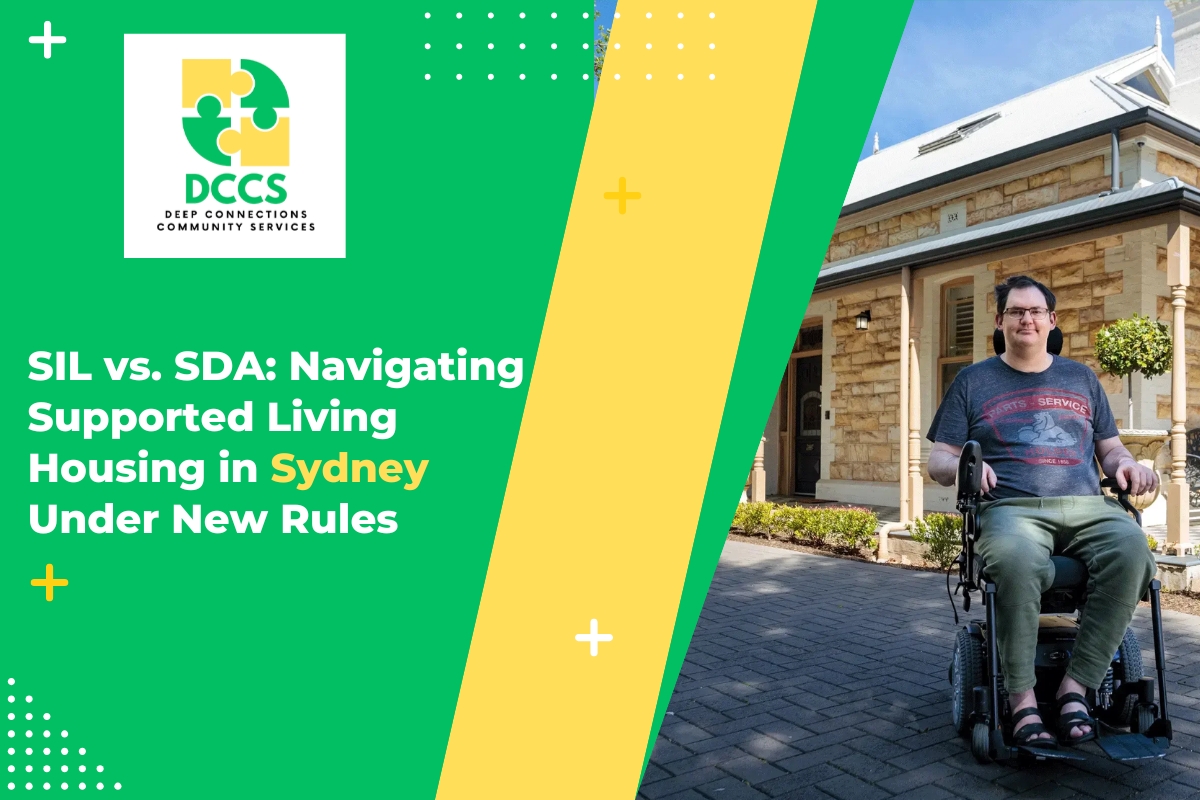
Sil vs Sda: Navigating Supported Living Housing in Sydney Under New Rules

Finding the right long-term home for a loved one is one of the most important decisions a family can make. When navigating the NDIS, the process can quickly feel overwhelming with complex acronyms like SIL and SDA.

With the NDIA introducing stricter oversight and updated registration protocols for housing providers, ensuring compliance and safety is more critical than ever. Families planning for the long term need clear, trustworthy answers.

Let’s break down the exact differences between Supported Independent Living (SIL) and Specialist Disability Accommodation (SDA) so you can make the best housing choice with complete peace of mind.

The Long-Term Planning Challenge: What Families Need to Know Now

When families evaluate supported living housing in sydney, their primary concerns are safety, stability, and high-quality care. The NDIS landscape has shifted away from vague arrangements toward highly regulated, auditable housing models.

For long-term planners, this shift means you must ensure your chosen provider adheres strictly to current safety and quality standards. Choosing a provider that understands these shifting compliance rules ensures that your loved one’s living arrangements remain secure and uninterrupted.

SIL Explained: Funding the Care Inside the Home

Supported Independent Living (SIL) focuses entirely on the human element of care. It is funded under the Core Supports budget of an NDIS plan and pays for the daily assistance required to help a participant live as independently as possible.

If you are exploring shared living support sydney, a SIL funding package generally covers:

  • 24/7 Rostered Support: Round-the-clock or on-call care from trained support workers.
  • Daily Life Assistance: Help with personal hygiene, showering, dressing, and medication management.
  • Skill Development: Active support to help participants learn how to cook, clean, budget, and catch public transport.
  • Community Access: Escorting and supporting residents during social outings, medical appointments, and day programs.

Please Note: SIL funding does not cover property rent, board, utilities, or personal groceries. Those everyday living costs are paid separately by the resident using their disability support pension or personal income.

SDA Explained: Funding the Physical Brick and Mortar

Unlike SIL, Specialist Disability Accommodation (SDA) does not fund support staff. Instead, it refers strictly to the specialist physical building or capital housing structure.

SDA funding is designated for the minor percentage of NDIS participants who require highly specialized housing features due to extreme functional impairments or complex support needs.

When searching for premium supported living accommodation sydney or NDIS accommodation sydney, eligible properties are strictly classified under four nationally regulated build categories:

  • Improved Liveability: Designed with enhanced physical access and clear visual indicators for people with sensory or intellectual disabilities.
  • Fully Accessible: Built with high-level physical access features, such as wheelchair-accessible kitchens, bathrooms, and wide doorways.
  • Robust: Constructed using highly resilient materials to reduce the risk of property damage and ensure the physical safety of both residents and staff.
  • High Physical Support: Features advanced structural designs, including ceiling hoists, home automation, and emergency backup power systems.
Can You Combine SIL and SDA? (The Ideal Shared Living Model)

A common point of confusion for families is whether a participant can access both types of funding. The answer is yes—and they work beautifully together.

While SIL (the care staff) and SDA (the physical house) are assessed and approved completely separately by the NDIA, they combine to create a comprehensive housing solution. A participant can live in a specialized, purpose-built SDA home while receiving their daily rostered care from a SIL support team working inside that exact property.

What Evidence is Required to Secure Your Housing Funding?

Securing housing lines in an NDIS plan requires a strong, evidence-backed application. Because the NDIA looks for concrete proof of functional limitations, families should prepare the following documentation:

  • Comprehensive Functional Capacity Assessment (FCA): A detailed report completed by a qualified Occupational Therapist (OT) outlining exactly why standard housing is unsuitable.
  • Allied Health Reports: Supporting assessments from speech pathologists, physiotherapists, or psychologists detailing the required level of daily environmental modification.
  • Housing Goals: Clear documentation in the participant’s current NDIS plan stating their explicit desire to move into independent or shared living arrangements.
Finding Safe, Compliant Accommodation with Deep Connections Community Services

You don’t have to navigate complex housing frameworks and property evaluations on your own. Partnering with a dedicated provider ensures your family finds a safe, welcoming, and fully compliant environment.

At Deep Connections Community Services, we assist families through every stage of securing trusted NDIS accommodation sydney. We prioritize strict safety standards, community connection, and tailored care models to give your family absolute peace of mind for the future.

Contact Our Specialized Sydney Housing Team:
Frequently Asked Questions (FAQ)
1. Can I choose different providers for my SIL care and my SDA tenancy?

Yes. Under NDIS quality and safeguarding guidelines, you have the right to split your services. You can lease a specialized property from an SDA landlord while hiring a completely separate registered provider to handle your daily SIL support staff.

2. How much of my disability pension goes toward rent in an NDIS home?

For participants living in supported accommodation, rent is generally calculated as a Reasonable Rent Contribution (RRC). This is typically capped at 25% of your base Disability Support Pension, plus 100% of any Commonwealth Rent Assistance you receive.

3. How long does the NDIA take to approve SIL or SDA housing funding?

Because housing applications require complex clinical review by specialized NDIA panels, approvals can take anywhere from a few months to over half a year. Starting your evidence collection early with a trusted provider is highly recommended.

4. What happens if my daily support needs increase while living in shared accommodation?

If your functional needs change, your provider can help you submit an NDIS plan review request. This process involves updated allied health reports to secure a higher SIL funding band to cover the extra staff hours.

5. Does SIL funding pay for my food and utilities?

No, SIL funding is strictly allocated to pay for the support workers who assist you; it cannot be used for food, electricity, or internet bills.